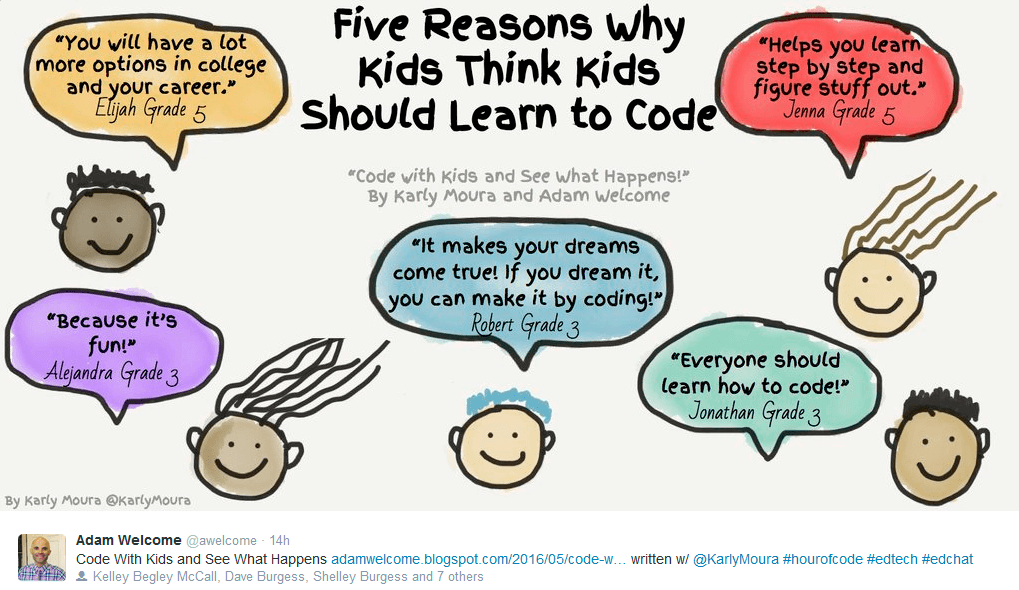
Coding can seem scary for educators that are not familiar with it, but do not let that keep you from it! Coding is an innovative topic that is going to get bigger and bigger and are students need to be able to do it. When coding in the classroom it is important to just let your students explore and encourage failure. Let them know that it's okay to fail and it is apart of the learning process. It is also important to know that coding is not limited to math and science! A coding activity that I had never heard of using and would love to use in my future classroom (if in a lower grade) are the Bee Bots. Bee Bots are used in lower elementary classrooms for many different activities. They can be used for counting, adding, subtracting, colors, shapes, and even mapping. An activity I had never thought to use coding for retelling. The Bee Bots can be used to code and retell a story. The video below is an example of the Bee Bots being used to retell a story.
Coding can also and should be used in upper elementary grades as well. Students could demonstrate an eclipse (HOW COOL?!) They could use Ozobots for Literacy. For example, they could use the ozobot to create a story. These bots are not cheap, so if your school does not provide the resources you may need to look for other ways to get your students coding. There are many inexpensive coding activities on Teachers Pay Teachers that do not require any kind of robot. This may be good to use for beginner teachers and coders. You can find the coding charts and use them for reading. This is an easy way to implement coding when technology is not available. Something that I had not thought of was using the Binary Code to practice coding skills! There are many cheap and inexpensive ways to incorporate coding into your everyday classroom. Coding increases the participation of your students and it is something they enjoy doing, so take the time to learn a little more about it and let the fun begin!
The iPad opened the door to a communication tool that allows non-verbal individuals to communicate. The voiceless now have a voice! It is easy to use and is extremely mobile and easy to take where needed. When using the iPad it is important to make it a part of your everyday routine. Students need consistency so they can learn how to use the tool to communicate. Right now the number 1 app on the app store right now for non-verbal communication is extremely expensive. Its cost is $249.99. Most people cannot afford this type of device let along with a $250 app. Many schools have funding and can get the resources they need for their special needs students, but parents and families struggle to get the same at home. The app is shown above and is called Proloquo2Go. This app is not only used for communication but also helps to teach new words and skills to your students. This app tailors to the needs of the specific individual and can be more or less difficult when needed. Yes, this app is one of the best out there but is out of the question for most individuals. There are many other apps available that are more affordable. One of them being Upcard. Upcard is $3.99 and is used to improve communication with non-verbal students. This app uses digital picture cards to communicate along with phrases, planners, trackers, and stopwatches. Another app that is currently being tested right now is called TippyTalk. This is an app I had never heard of and I am interested in knowing more. This app is available on Apple and Android devices for FREE. Check it out in the video posted below!
Digital Story Telling is another way to promote communication among non-verbal students. This can be used in and out of the classroom and there are many apps available ranging from many different price ranges! The app Grace Picture is $29.99 and can be purchased on Apple devices. It allows students to share events that happen throughout their day using pictures. Shadow puppet can also be used, this app is a free tool to incorporate for all students in the classroom. Students can add videos, music, texts, drawings, and even their own voice to create or recreate stories!
Active learning involves and engages students in the learning process. This means they think about what they are learning. There are many benefits to active learning. Active learning promotes engagement, critical thinking, collaboration, and increases motivation. There are many ways to promote active learning within your own classroom. Include students in the prior knowledge assessments that are given and help them to understand the importance. They will begin to access their own prior knowledge without being prompted. Allow them to work in pairs and groups, but make the students have an understanding of the purpose/expectations for the activity. You can use active learning strategies to discover misconceptions or misunderstandings and to check for understanding. There are many activities that you can do within your own classroom to promote active learning. An easy one that most know of is think, pair, share. The purpose behind this activity is to build wait time, increase participation, and check for understanding. Doing the traditional method of asking a question and calling on students drastically decreases participation with your students. Another activity that you can do and one that wasn't aware of is called graffiti. This looks like randomness on a page, wall, or chart. This is where students add their thoughts on a topic as a group or individually. The purpose is to gather pre-assessment data and to promote critical thinking. Something else that I plan on doing in my future classroom will be to use "Signal Cards". The purpose is to check for understanding. This assessment tool is inexpensive and easy to implement. All you need is red, yellow, and green note cards. If a student has a red card showing then they are not understanding, yellow could mean they get it but are not confident yet, and green could mean they 100% understand and are ready to move on. The last activity that was discussed in the presentation that I want to use in my classroom was the scavenger hunt. The purpose of this activity is to promote movement, verbal fluency, check for understanding, review, preview, or expand on a topic. This activity can serve just about any purpose you need it to and it's fun! You give your students a question or topic and have them work together in groups to determine the answer. You can create things around the room for them to use or make it a digital scavenger hunt depending on your resources.
Differentiation means tailoring to the individual needs of students which gives every student a chance of becoming a successful learner. Every student learns differently and should be treated as such. As a teacher, you will have to meet the needs of low performing students, high performing students, and on-level students. There are many different ways to reach the needs of low performing students and they will look different depending on the students' needs. The big things are to make sure you are providing additional support in the content area it is also important to understand how students can benefit from a hands-on learning approach vs. the traditional teaching method. It is also important for you to know that the final product from a low-performing student may look different. You have to be okay with and understand the differences that your students have. Something that I had not thought of before this presentation was providing for your middle or on-average students. Things to remember for these students consist of knowing when to give reinforcement of concepts and when to expand their knowledge on a concept they understand. Allow these students to show their learning in a way that makes them feel proud of their work. These students are easily overlooked, so make sure you are doing your part in making them feel valued and important. There are many ways to reach high performing students but make sure you are not giving them *more* work. They need to be challenged not bogged down with more of the same. These students also tend to use alternative strategies that some students may not think of. Encourage these students to think out of the box. They get bored easily, so try and create an environment where they will be engaged and take ownership of their learning. You will also encounter students that are unmotivated to learn. Try and figure out what these students are interested in and connect learning to their interests. You can also promote a growth mindset by praising them and acknowledging when they work hard or complete an assignment. The important thing is to establish clear goals and expectations for all students in your classroom and enforce them. In my opinion, all of this goes back to knowing your students. Know their interests, know how they learn best, know what they are going home to, just get to know them! By doing this you will be creating intentional relationships and you will have a growing community of learners.
English Language Learners are students whose first language is not English meaning they typically communicate and learn more efficiently in another language. They need modified instruction and support in order to be successful. There are many ways to ensure you are giving ELL students the support and resources they need to be successful. One way could be to be to cultivate relationships and be culturally responsive to your students. This means making personal connections and bringing their culture into your classroom. This helps to make them feel more comfortable in your classroom. You can bring in their culture by incorporating books in their native language and allowing them to relate their learning to their culture. Something that I did not think about before was making sure you are teaching language skills across all subject areas. Allow students opportunities to communicate in their own language whenever possible and even try connecting them with another student or person that speaks their native language. This may not always be possible, but you can still allow the student to speak to the class in their native language and allow them to teach you and your class new words! This would be a fun activity for the student and the rest of the class. You can also search for photographs or allow them to bring in their own pictures to share with the class. You want to do anything possible to make them feel welcome and like they belong. Going to a new school is hard enough as it is, much less if you are different than everyone around you! A major thing to remember about your ELL students is that learning a new language is HARD and it takes time to process new information. Incorporating a wait time with all of your students could help them to be successful. Make sure you are giving a think time, speaking slowly, and providing many opportunities for your ELL students to speak and participate. Something to remember that I will be sure to use in my future classroom is the phrase, "Fair is not always equal". Some students require more or less than others. As a teacher, it is our job to ensure we are giving each child exactly what they need not what is fair!
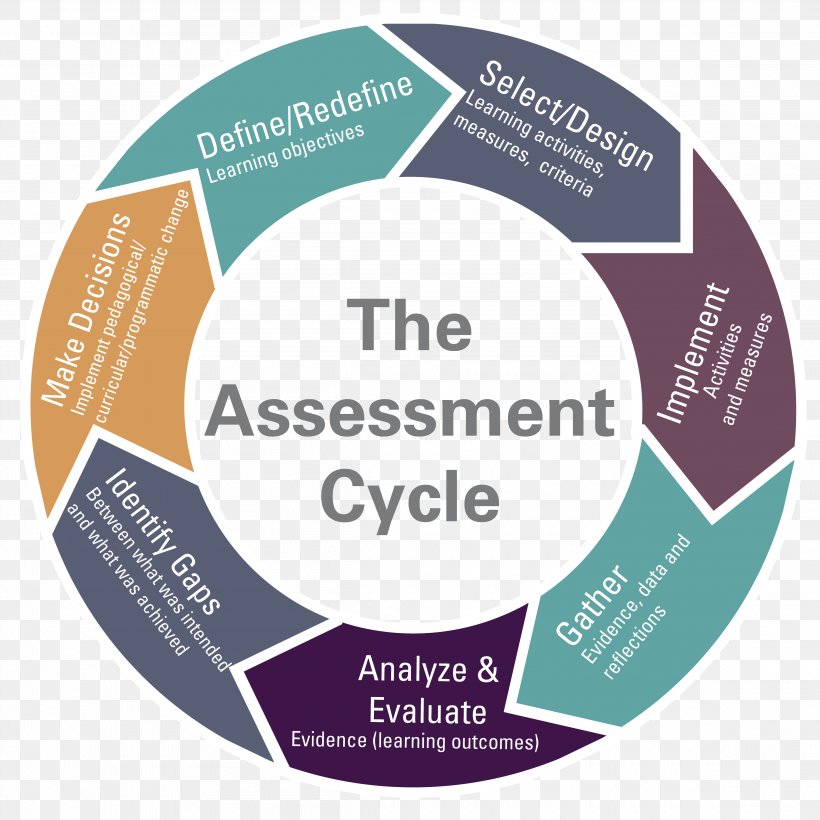
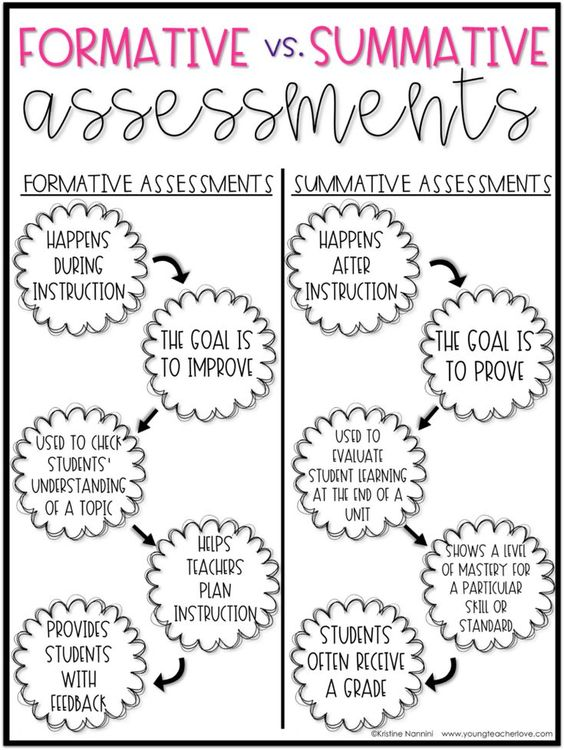
Assessment is one of the most important things that any classroom teacher does. Assessment is what drives instruction. The goal of assessment is to see where your students are and what they do and do not know or understand. It is also important to use for evaluation purposes. Evaluating your teaching, if the majority of the class did poorly on an assignment it is important to reflect and modify where needed when teaching again. There are two types of assessment: Informal and formal. Informal assessment consists of everyday classroom work, it is non-standardized and more individualized for your students. The most important thing about informal assessment is that it takes place during teaching and learning not after! Informal assessments can simply be students having a conversation with one another and the teacher observing. It can also include journal entries and learning games. When grading informal assessments the purpose is to improve your performance (teaching). Formal assessment consists of standardize structured tests. It takes place after learning and is a comprehensive assessment of what your students learned. These assessments could be large projects, papers, or an end of the unit comprehensive exam. When you grade a formative assessment the purpose is to evaluate your teaching. There are many different ways to assess your students. One of the most traditional ways, being paper and pencil. These can include peer quizzes, graphic organizers, standardized tests, and many more! Something that I did not know before reading this presentation was that paper and pencil tests are easily objectified as assessments that only test memorized knowledge and lower-level thinking. Moving forward I am going to make sure that I do not give assessments that could fall into that category! Another type of assessment that is used is performance-based assessments. These assessments can consist of individual or group projects. When using standardized assessments it is important to set clear guidelines and expectations for your students. Assessment is not something to take lightly in your classroom and should be used to drive instruction not an end result.
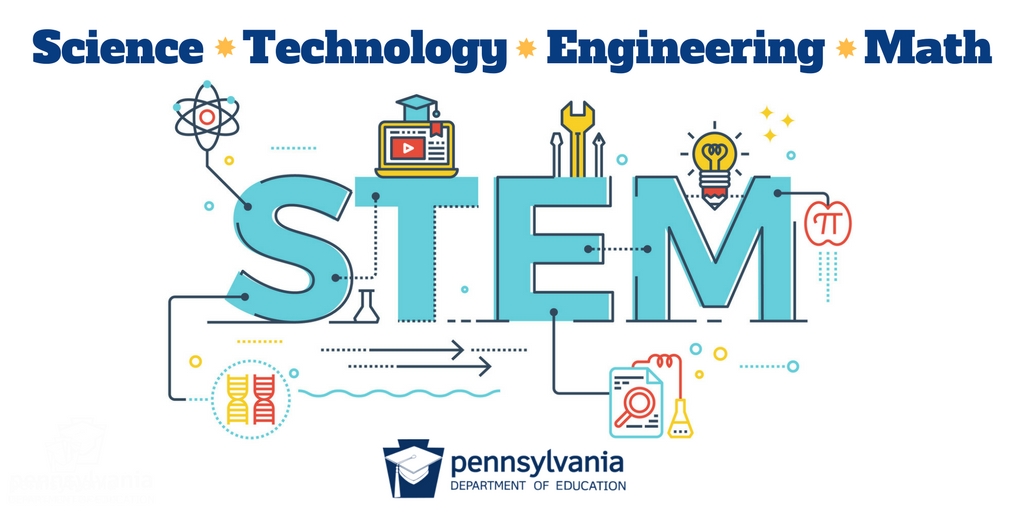
STEM learning greatly increases participation with your students. There are many ways to be intentional about including STEM activities with literature. One way that you can do this is to have a STEM night. This could include having STEM activities based on a book that your class is reading. You could also use the JIGSAW activity and engineering journals. It is important to know the role of Language Arts when integrating the two together. Something I hadn't thought of before is the fact that most science standard has integrated some kind of language arts component! Including the language arts component of the standard makes the two come together naturally. Early and even upper elementary teachers can use picture books like the "Three Little Pigs" to have the students participate in a design challenge. There are many picture books out there that could be used for the same or similar purposes. These activities can be as expensive or inexpensive as you want them to be. Many teachers choose to use recycled materials to help with the cost. They also ask parents and or students to bring in recycled materials as well. Some schools are fortunate enough to receive funding for these things, but if your school does not there are ways to complete STEM activities without funding. It just takes a little hard work, but when students are learning and actively participating in the learning process it's all worth it! You can also use children's books with a sequencing theme to have children code the sequence of the story! How cool?! This is probably my favorite activity that I learned about during this presentation. Coding is something that will get bigger and bigger as our students grow. It is important for them to have foundational skills in such an innovative activity. Connecting STEM to the arts can be as simple as taking your students outside and letting them use nature and their surroundings to create a map. Map reading is a skill that is difficult for students to grasp and this simple activity could help to build that foundation that they need. There are also apps that you can use to help incorporate STEM into the classroom. Some apps are NOVA, Tappity, and PBS Kids. As long as you are intentional and willing to learn and grow there will be endless opportunities and ways to incorporate STEM into language arts. Do it, and watch your students flourish! Books for your STEAM Classroom!