Thursday, April 9, 2020

STEM Activities and Connecting to Literature


STEM in PA
STEM learning greatly increases participation with your students. There are many ways to be intentional about including STEM activities with literature. One way that you can do this is to have a STEM night. This could include having STEM activities based on a book that your class is reading. You could also use the JIGSAW activity and engineering journals. It is important to know the role of Language Arts when integrating the two together. Something I hadn't thought of before is the fact that most science standard has integrated some kind of language arts component! Including the language arts component of the standard makes the two come together naturally. Early and even upper elementary teachers can use picture books like the "Three Little Pigs" to have the students participate in a design challenge. There are many picture books out there that could be used for the same or similar purposes. These activities can be as expensive or inexpensive as you want them to be. Many teachers choose to use recycled materials to help with the cost. They also ask parents and or students to bring in recycled materials as well. Some schools are fortunate enough to receive funding for these things, but if your school does not there are ways to complete STEM activities without funding. It just takes a little hard work, but when students are learning and actively participating in the learning process it's all worth it! You can also use children's books with a sequencing theme to have children code the sequence of the story! How cool?! This is probably my favorite activity that I learned about during this presentation. Coding is something that will get bigger and bigger as our students grow. It is important for them to have foundational skills in such an innovative activity. Connecting STEM to the arts can be as simple as taking your students outside and letting them use nature and their surroundings to create a map. Map reading is a skill that is difficult for students to grasp and this simple activity could help to build that foundation that they need. There are also apps that you can use to help incorporate STEM into the classroom. Some apps are NOVA, Tappity, and PBS Kids. As long as you are intentional and willing to learn and grow there will be endless opportunities and ways to incorporate STEM into language arts. Do it, and watch your students flourish! 


Books for your STEAM Classroom!


What is STEAM Education? | The Institute for Arts Integration and ...

Monday, April 6, 2020

Sensory Integration, Orton Gillingham, & Montessori


Sensory Integration

Some children and adults experience what is called sensory overload. As educators, we must be knowledgable about this when setting up our classroom environments. Classrooms must be well balanced without being overstimulating. This means keeping vibrant colors and lighting at a minimum. We want our classrooms to be warm and inviting to all students doing this helps to make sure that happens. Some students and adults experience what is called Sensory Processing Disorder these students can also be diagnosed with Autism or ADHD, but they do not necessarily have to be. There are many ways to provide support to students with a Sensory Processing Disorder. One way could be to include a sensory room or space in your classroom where the students can explore their senses with different activities. It helps to create a safe environment where the students are ready to learn. Another way to help these students is to create an environment where whole-body movement and unstructured play is integrated into the classroom. You can also include sensory activities within your classroom with a variety of activities. It is also important for these students to have a space where they can go and cool down if they happen to get overstimulated. This is known as a "Peace Corner". Peace Corners are equipped with materials such as bean bags, rocking chairs, headphones, and other various calming activities. They help to maintain a sense of safety within the student. If your students have a safe, well-balanced learning environment it will definitely reflect their ability to succeed in your classroom. 

Orton Gillingham 

The Orton-Gillingham Approach to Reading and Spelling + free E-book!

Orton Gillingham is an active approach to teaching and learning where there is a constant interaction between the teacher and student. It is compromised of listening, speaking, reading, and writing to promote development in all of the language skills. 


Montessori 


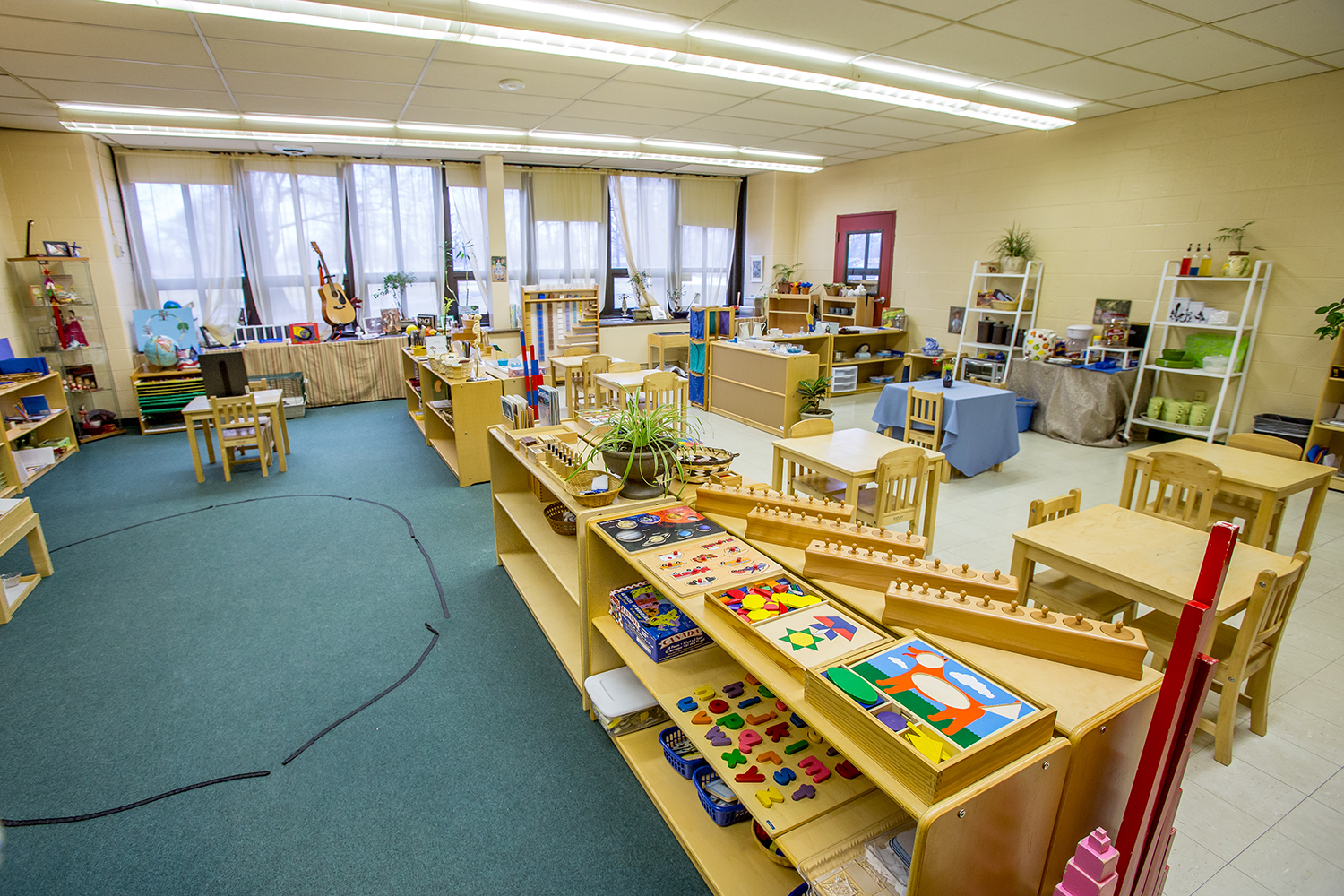
This is an example of a Montessori Classroom 

What To Look For In A Montessori School - Montessori Rocks


Maria Montessori was an educational theorist that believed in the freedom of learning. The components of her theory were freedom, structure, order, reality, and nature. Montessori believed that students needed the time to explore and learn about things that interested them. This theory emphasized that the learning experience should follow the child and where they are. 


Nearpod


Nearpod School Edition – ETC Educational Technology Connection (HK ...


Nearpod is a learning platform that can be used by teachers to enhance instruction. It helps to promote 21st-century skills like collaboration and communication between students and teachers. This platform can be used to formally assess students and engage them throughout the learning process. Nearpod is used in the classroom through a digital format. One great advantage of nearpod is that it can be used on any device that may be available at your school! This platform can be used to create virtual lessons that the teacher can follow along with as the students complete them in real-time. It is a quick way for teachers to assess exactly what students do and do not know. Nearpod is fairly simple to use and navigate and has endless benefits. It has been proven to raise engagement levels of the students by more than 85%! This is the engagement level I want to see in my classroom. Nearpod also gives several opportunities to deepen the understanding of your students. It has lessons with embedded open-ended questions for students about any given topic of your choosing. I am sure by now you are wondering how much the platform costs to use and the answer may shock you. There is a free option for this amazing tool!! Yes FREE! The free option gives all the basic features of the sight and more than enough storage to get you going. Definitely worth signing up for to see if you may be interested in buying into the more advanced versions. This platform has endless learning opportunities for you and your students to participate in and is something that every educator should be willing to try for their students. When learning about this topic something that stuck out to me was the virtual field trips that are available to use. Unfortunately, this feature does not come with the free version, but would be awesome to try out with your students if you are able to! There are many learning opportunities that come with the virtual field trips that would help to build background knowledge of many lessons and topics with your students! 

Check out this video to learn more! 


Teach, Assess, & Connect With Nearpod – Brave In The Attempt

Thursday, April 11, 2019

Traditional Literature Book Blog

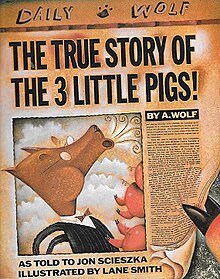
The True Story of the 3 Little Pigs 

Image result for the true story of the 3 little pigsWritten by: Jon Scieszka
Illustrated by: Lane Smith 
Published by: Harper
Genre: Traditional Literature Reading Level: Grade 1-5
Copyright: 1989
Pages: 32


  Overview 

   This is a great story to teach Point of View. There are so many different versions of this story, and most children have heard at least one of them. This one talks about the Wolf's point of view instead of the pigs. It turns out the Wolf was just trying to borrow a cup of sugar from the pigs and he had an innocent sneeze! This would be a perfect story for a 3rd grade classroom. It has just enough comic relief and it is great to show the different points of view! 

Poetry Book Blog

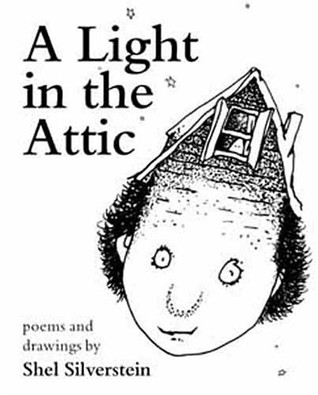
A Light in the Attic
Written by: Shel Silverstein 
Illustrated by: Shel Silverstein 
Published by: Harper
Genre: Poetry 
Reading Level: Grades 3-5
Copyright: 1981
Pages: 169
Image result for a light in the attic description
Overview 
     
     This book consists of nothing but rhymes and poems. It is a fun, silly book that most children can relate to. Shel Silverstein wrote and illustrated this iconic book that children love! This book is best taught in a 3rd-5th grade setting. I would use this book to teach poetry and the different components it involves. I would use this book in a 4th grade setting.