Friday, April 17, 2020

Active Learning

Active Learning | Stearns Center for Teaching and Learning

Active learning involves and engages students in the learning process. This means they think about what they are learning. There are many benefits to active learning. Active learning promotes engagement, critical thinking, collaboration, and increases motivation. There are many ways to promote active learning within your own classroom. Include students in the prior knowledge assessments that are given and help them to understand the importance. They will begin to access their own prior knowledge without being prompted. Allow them to work in pairs and groups, but make the students have an understanding of the purpose/expectations for the activity. You can use active learning strategies to discover misconceptions or misunderstandings and to check for understanding. There are many activities that you can do within your own classroom to promote active learning. An easy one that most know of is think, pair, share. The purpose behind this activity is to build wait time, increase participation, and check for understanding. Doing the traditional method of asking a question and calling on students drastically decreases participation with your students. Another activity that you can do and one that wasn't aware of is called graffiti. This looks like randomness on a page, wall, or chart. This is where students add their thoughts on a topic as a group or individually. The purpose is to gather pre-assessment data and to promote critical thinking. Something else that I plan on doing in my future classroom will be to use "Signal Cards". The purpose is to check for understanding. This assessment tool is inexpensive and easy to implement. All you need is red, yellow, and green note cards. If a student has a red card showing then they are not understanding, yellow could mean they get it but are not confident yet, and green could mean they 100% understand and are ready to move on. The last activity that was discussed in the presentation that I want to use in my classroom was the scavenger hunt. The purpose of this activity is to promote movement, verbal fluency, check for understanding, review, preview, or expand on a topic. This activity can serve just about any purpose you need it to and it's fun! You give your students a question or topic and have them work together in groups to determine the answer. You can create things around the room for them to use or make it a digital scavenger hunt depending on your resources. 


How to Implement Active Learning for Classrooms - ViewSonic Education

Differentiation

differentiated instruction - Rethink Education
Differentiation means tailoring to the individual needs of students which gives every student a chance of becoming a successful learner. Every student learns differently and should be treated as such. As a teacher, you will have to meet the needs of low performing students, high performing students, and on-level students. There are many different ways to reach the needs of low performing students and they will look different depending on the students' needs. The big things are to make sure you are providing additional support in the content area it is also important to understand how students can benefit from a hands-on learning approach vs. the traditional teaching method. It is also important for you to know that the final product from a low-performing student may look different. You have to be okay with and understand the differences that your students have. Something that I had not thought of before this presentation was providing for your middle or on-average students. Things to remember for these students consist of knowing when to give reinforcement of concepts and when to expand their knowledge on a concept they understand. Allow these students to show their learning in a way that makes them feel proud of their work. These students are easily overlooked, so make sure you are doing your part in making them feel valued and important. There are many ways to reach high performing students but make sure you are not giving them *more* work. They need to be challenged not bogged down with more of the same. These students also tend to use alternative strategies that some students may not think of. Encourage these students to think out of the box. They get bored easily, so try and create an environment where they will be engaged and take ownership of their learning. You will also encounter students that are unmotivated to learn. Try and figure out what these students are interested in and connect learning to their interests. You can also promote a growth mindset by praising them and acknowledging when they work hard or complete an assignment. The important thing is to establish clear goals and expectations for all students in your classroom and enforce them. In my opinion, all of this goes back to knowing your students. Know their interests, know how they learn best, know what they are going home to, just get to know them! By doing this you will be creating intentional relationships and you will have a growing community of learners. 


Differentiated Assessment – Principles and Methods of Assessment

Saturday, April 11, 2020

ELL Strategies

English Language Learners (ELL Services) - Contoocook Valley ...

English Language Learners are students whose first language is not English meaning they typically communicate and learn more efficiently in another language. They need modified instruction and support in order to be successful. There are many ways to ensure you are giving ELL students the support and resources they need to be successful. One way could be to be to cultivate relationships and be culturally responsive to your students. This means making personal connections and bringing their culture into your classroom. This helps to make them feel more comfortable in your classroom. You can bring in their culture by incorporating books in their native language and allowing them to relate their learning to their culture. Something that I did not think about before was making sure you are teaching language skills across all subject areas. Allow students opportunities to communicate in their own language whenever possible and even try connecting them with another student or person that speaks their native language. This may not always be possible, but you can still allow the student to speak to the class in their native language and allow them to teach you and your class new words! This would be a fun activity for the student and the rest of the class. You can also search for photographs or allow them to bring in their own pictures to share with the class. You want to do anything possible to make them feel welcome and like they belong. Going to a new school is hard enough as it is, much less if you are different than everyone around you! A major thing to remember about your ELL students is that learning a new language is HARD and it takes time to process new information. Incorporating a wait time with all of your students could help them to be successful. Make sure you are giving a think time, speaking slowly, and providing many opportunities for your ELL students to speak and participate. Something to remember that I will be sure to use in my future classroom is the phrase, "Fair is not always equal". Some students require more or less than others. As a teacher, it is our job to ensure we are giving each child exactly what they need not what is fair! 


Friday, April 10, 2020

Assessment

Educational Assessment Assessment For Learning Teacher, PNG ... 


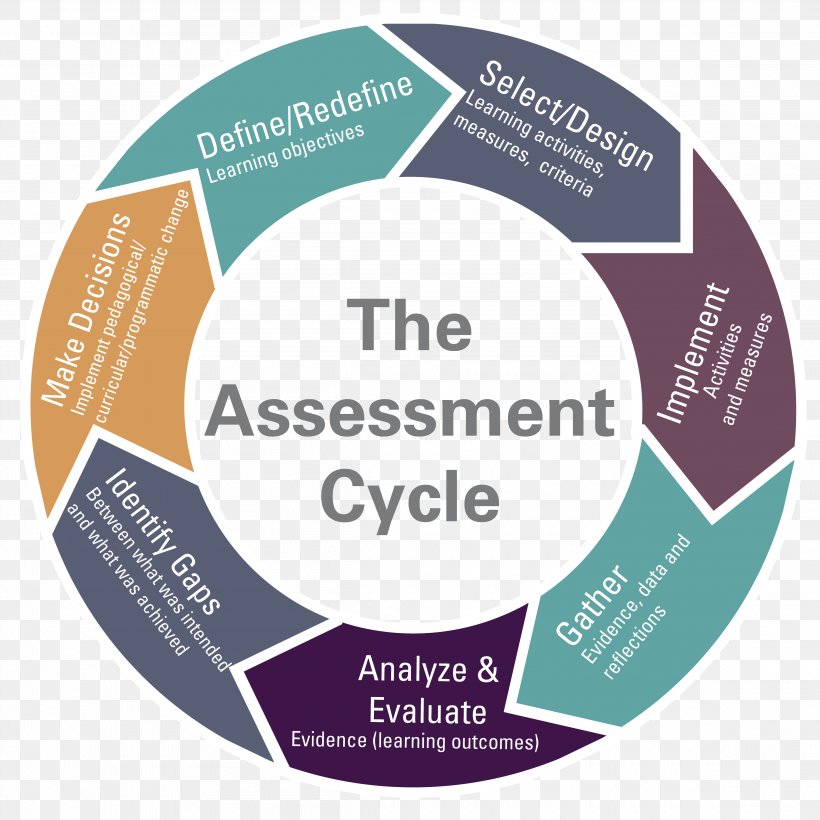
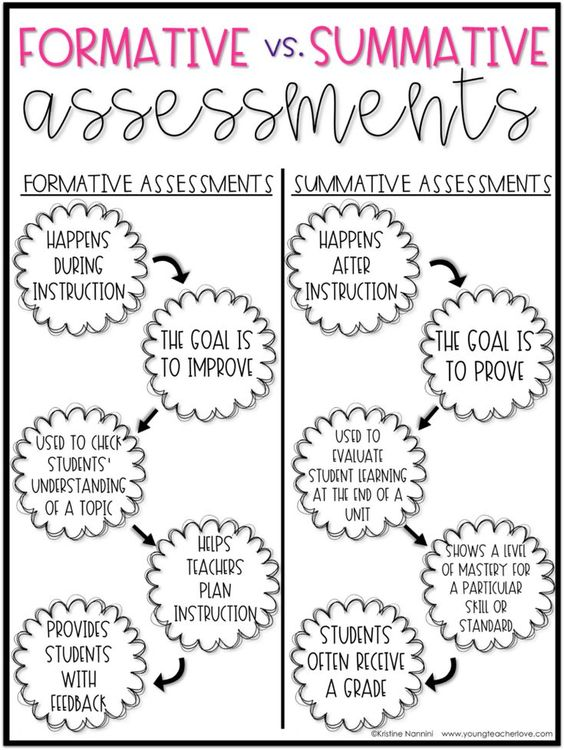
Assessment is one of the most important things that any classroom teacher does. Assessment is what drives instruction. The goal of assessment is to see where your students are and what they do and do not know or understand. It is also important to use for evaluation purposes. Evaluating your teaching, if the majority of the class did poorly on an assignment it is important to reflect and modify where needed when teaching again. There are two types of assessment: Informal and formal. Informal assessment consists of everyday classroom work, it is non-standardized and more individualized for your students. The most important thing about informal assessment is that it takes place during teaching and learning not after! Informal assessments can simply be students having a conversation with one another and the teacher observing. It can also include journal entries and learning games. When grading informal assessments the purpose is to improve your performance (teaching). Formal assessment consists of standardize structured tests. It takes place after learning and is a comprehensive assessment of what your students learned. These assessments could be large projects, papers, or an end of the unit comprehensive exam. When you grade a formative assessment the purpose is to evaluate your teaching. There are many different ways to assess your students. One of the most traditional ways, being paper and pencil. These can include peer quizzes, graphic organizers, standardized tests, and many more! Something that I did not know before reading this presentation was that paper and pencil tests are easily objectified as assessments that only test memorized knowledge and lower-level thinking. Moving forward I am going to make sure that I do not give assessments that could fall into that category! Another type of assessment that is used is performance-based assessments. These assessments can consist of individual or group projects. When using standardized assessments it is important to set clear guidelines and expectations for your students. Assessment is not something to take lightly in your classroom and should be used to drive instruction not an end result. 


Thursday, April 9, 2020

STEM Activities and Connecting to Literature


STEM in PA
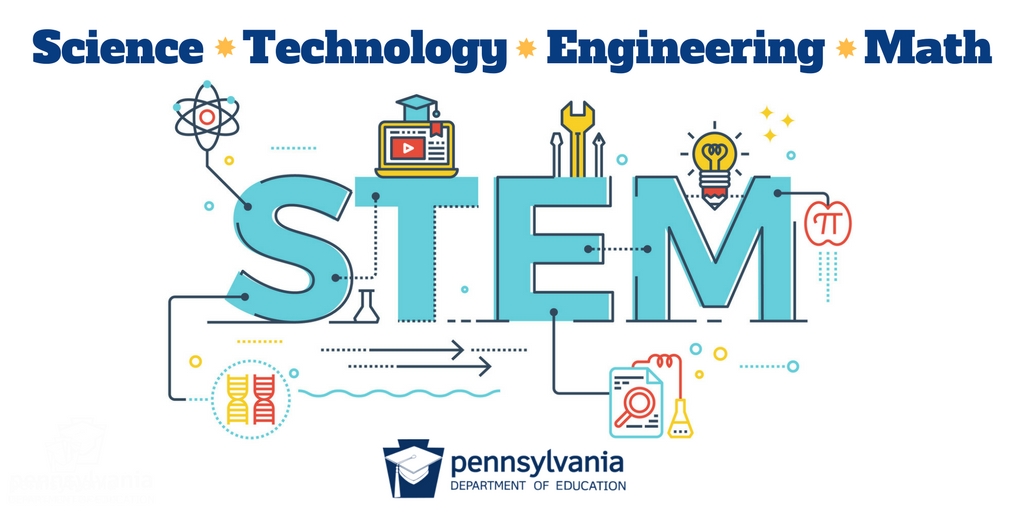
STEM learning greatly increases participation with your students. There are many ways to be intentional about including STEM activities with literature. One way that you can do this is to have a STEM night. This could include having STEM activities based on a book that your class is reading. You could also use the JIGSAW activity and engineering journals. It is important to know the role of Language Arts when integrating the two together. Something I hadn't thought of before is the fact that most science standard has integrated some kind of language arts component! Including the language arts component of the standard makes the two come together naturally. Early and even upper elementary teachers can use picture books like the "Three Little Pigs" to have the students participate in a design challenge. There are many picture books out there that could be used for the same or similar purposes. These activities can be as expensive or inexpensive as you want them to be. Many teachers choose to use recycled materials to help with the cost. They also ask parents and or students to bring in recycled materials as well. Some schools are fortunate enough to receive funding for these things, but if your school does not there are ways to complete STEM activities without funding. It just takes a little hard work, but when students are learning and actively participating in the learning process it's all worth it! You can also use children's books with a sequencing theme to have children code the sequence of the story! How cool?! This is probably my favorite activity that I learned about during this presentation. Coding is something that will get bigger and bigger as our students grow. It is important for them to have foundational skills in such an innovative activity. Connecting STEM to the arts can be as simple as taking your students outside and letting them use nature and their surroundings to create a map. Map reading is a skill that is difficult for students to grasp and this simple activity could help to build that foundation that they need. There are also apps that you can use to help incorporate STEM into the classroom. Some apps are NOVA, Tappity, and PBS Kids. As long as you are intentional and willing to learn and grow there will be endless opportunities and ways to incorporate STEM into language arts. Do it, and watch your students flourish! 


Books for your STEAM Classroom!


What is STEAM Education? | The Institute for Arts Integration and ...

Monday, April 6, 2020

Sensory Integration, Orton Gillingham, & Montessori


Sensory Integration

Some children and adults experience what is called sensory overload. As educators, we must be knowledgable about this when setting up our classroom environments. Classrooms must be well balanced without being overstimulating. This means keeping vibrant colors and lighting at a minimum. We want our classrooms to be warm and inviting to all students doing this helps to make sure that happens. Some students and adults experience what is called Sensory Processing Disorder these students can also be diagnosed with Autism or ADHD, but they do not necessarily have to be. There are many ways to provide support to students with a Sensory Processing Disorder. One way could be to include a sensory room or space in your classroom where the students can explore their senses with different activities. It helps to create a safe environment where the students are ready to learn. Another way to help these students is to create an environment where whole-body movement and unstructured play is integrated into the classroom. You can also include sensory activities within your classroom with a variety of activities. It is also important for these students to have a space where they can go and cool down if they happen to get overstimulated. This is known as a "Peace Corner". Peace Corners are equipped with materials such as bean bags, rocking chairs, headphones, and other various calming activities. They help to maintain a sense of safety within the student. If your students have a safe, well-balanced learning environment it will definitely reflect their ability to succeed in your classroom. 

Orton Gillingham 

The Orton-Gillingham Approach to Reading and Spelling + free E-book!

Orton Gillingham is an active approach to teaching and learning where there is a constant interaction between the teacher and student. It is compromised of listening, speaking, reading, and writing to promote development in all of the language skills. 


Montessori 


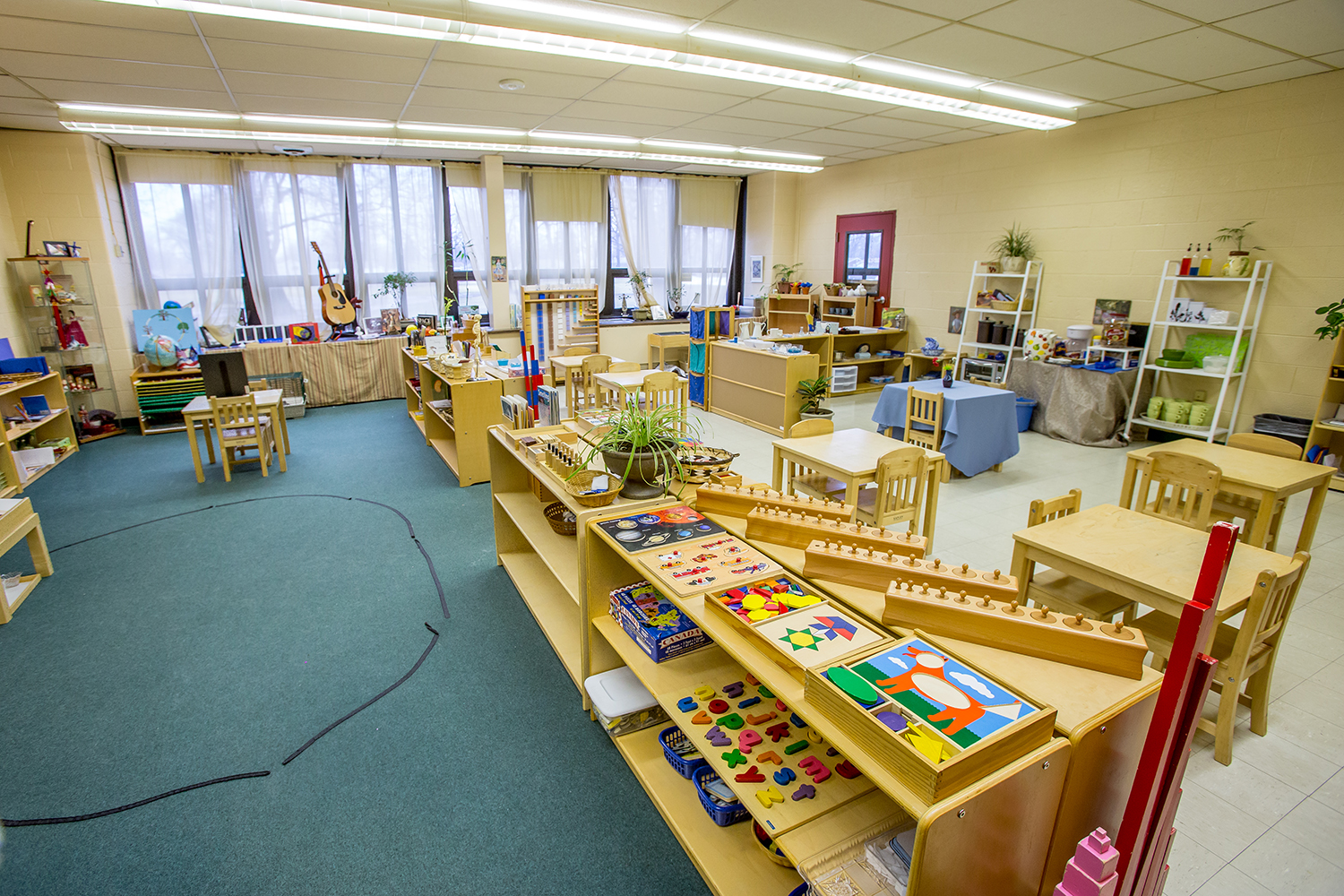
This is an example of a Montessori Classroom 

What To Look For In A Montessori School - Montessori Rocks


Maria Montessori was an educational theorist that believed in the freedom of learning. The components of her theory were freedom, structure, order, reality, and nature. Montessori believed that students needed the time to explore and learn about things that interested them. This theory emphasized that the learning experience should follow the child and where they are. 


Nearpod


Nearpod School Edition – ETC Educational Technology Connection (HK ...


Nearpod is a learning platform that can be used by teachers to enhance instruction. It helps to promote 21st-century skills like collaboration and communication between students and teachers. This platform can be used to formally assess students and engage them throughout the learning process. Nearpod is used in the classroom through a digital format. One great advantage of nearpod is that it can be used on any device that may be available at your school! This platform can be used to create virtual lessons that the teacher can follow along with as the students complete them in real-time. It is a quick way for teachers to assess exactly what students do and do not know. Nearpod is fairly simple to use and navigate and has endless benefits. It has been proven to raise engagement levels of the students by more than 85%! This is the engagement level I want to see in my classroom. Nearpod also gives several opportunities to deepen the understanding of your students. It has lessons with embedded open-ended questions for students about any given topic of your choosing. I am sure by now you are wondering how much the platform costs to use and the answer may shock you. There is a free option for this amazing tool!! Yes FREE! The free option gives all the basic features of the sight and more than enough storage to get you going. Definitely worth signing up for to see if you may be interested in buying into the more advanced versions. This platform has endless learning opportunities for you and your students to participate in and is something that every educator should be willing to try for their students. When learning about this topic something that stuck out to me was the virtual field trips that are available to use. Unfortunately, this feature does not come with the free version, but would be awesome to try out with your students if you are able to! There are many learning opportunities that come with the virtual field trips that would help to build background knowledge of many lessons and topics with your students! 

Check out this video to learn more! 


Teach, Assess, & Connect With Nearpod – Brave In The Attempt